

How to install ground spike lights in a concrete area?
Sep 10, 2025
Installing ground spike lights in a concrete area can significantly enhance the aesthetic appeal and safety of your outdoor space. As a trusted supplier of high - quality ground spike lights, I'm here to guide you through the entire installation process.
1. Planning Your Installation
Before you start drilling holes in your concrete, it's essential to have a clear plan. First, decide on the layout of your ground spike lights. Consider the purpose of the lighting - are you looking to illuminate a pathway, highlight a garden feature, or create a general ambiance? Sketch out a rough plan on paper, marking the positions where you want to install the lights.
Think about the spacing between the lights. For a pathway, a spacing of 2 - 3 feet is usually sufficient to provide even illumination. If you're highlighting a specific object, you might want to place the lights closer to it. Also, take into account the power source. You'll need to run electrical wiring from a power outlet to each light, so plan the route of the wiring carefully to avoid any obstacles.
2. Gathering the Necessary Tools and Materials
To install ground spike lights in a concrete area, you'll need the following tools and materials:
- Ground spike lights: As a supplier, I can offer you a wide range of ground spike lights, including Waterproof Landscape Light, LED Garden Spot Lights, and Garden Lamp Post Light. These lights are designed to withstand outdoor conditions and provide excellent illumination.
- Drill: A hammer drill is recommended for drilling into concrete. Make sure you have the appropriate drill bits for the size of the holes you need to create.
- Concrete anchors: These are used to secure the ground spike lights in the concrete. Choose anchors that are suitable for the weight and size of your lights.
- Wiring and connectors: You'll need electrical wiring to connect the lights to the power source. Use waterproof connectors to ensure a safe and reliable connection.
- Shovel and trowel: These tools are useful for digging small trenches to bury the wiring.
- Level: To ensure that the lights are installed evenly and straight.
3. Preparing the Concrete Surface
Once you have your plan and all the necessary tools and materials, it's time to prepare the concrete surface. Clean the area where you'll be installing the lights to remove any dirt, debris, or loose concrete. Use a broom or a pressure washer to thoroughly clean the surface.
Mark the positions of the holes on the concrete according to your plan. You can use a chalk line or a marker to make the markings clear. Make sure the markings are accurate, as any mistakes at this stage can lead to problems later on.
4. Drilling Holes in the Concrete
Now it's time to drill the holes for the ground spike lights. Put on safety goggles and a dust mask to protect yourself from the concrete dust. Set up the drill with the appropriate drill bit and start drilling at the marked positions. Apply steady pressure and let the drill do the work.
Drill the holes to the correct depth, which is usually specified by the manufacturer of the ground spike lights. It's important to drill the holes straight and perpendicular to the concrete surface. If the holes are not straight, the lights may not fit properly or may be unstable.
After drilling each hole, use a brush or a vacuum cleaner to remove the concrete dust from the hole. This will ensure a good fit for the concrete anchors.
5. Installing the Concrete Anchors
Once the holes are drilled and cleaned, it's time to install the concrete anchors. Insert the anchors into the holes and tap them gently with a hammer until they are flush with the concrete surface. Make sure the anchors are firmly in place.

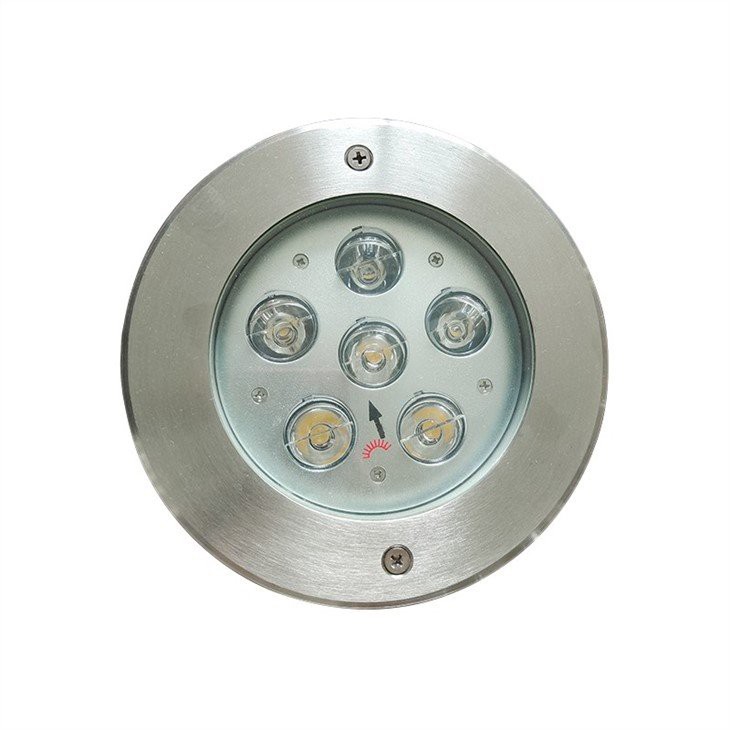
If the anchors have a threaded end, you can use a wrench to tighten them further. However, be careful not to overtighten, as this can damage the anchors or the concrete.
6. Installing the Ground Spike Lights
Now that the concrete anchors are in place, it's time to install the ground spike lights. Carefully insert the spikes of the lights into the concrete anchors. Make sure the lights are level and straight. You can use a level to check the alignment.
Once the lights are in place, secure them to the anchors according to the manufacturer's instructions. This may involve tightening screws or using other fastening methods.
7. Wiring the Lights
After installing the lights, it's time to wire them. Start by digging a small trench from the power source to each light. The trench should be deep enough to bury the wiring and protect it from damage.
Lay the electrical wiring in the trench and connect it to the lights using waterproof connectors. Make sure the connections are secure and waterproof. You can use electrical tape or heat - shrink tubing to further protect the connections.
Connect the wiring to the power source, following all the electrical safety regulations. If you're not familiar with electrical work, it's recommended to hire a professional electrician to do this part of the installation.
8. Testing the Lights
Once the wiring is complete, it's time to test the lights. Turn on the power and check if all the lights are working properly. If any of the lights are not working, check the connections and the bulbs. Replace any faulty bulbs or fix any loose connections.
9. Finishing Touches
After testing the lights, fill in the trenches with soil or gravel to cover the wiring. Make sure the area around the lights is clean and tidy. You can also add some decorative elements, such as mulch or stones, to enhance the appearance of the lights.
10. Maintenance and Troubleshooting
Regular maintenance is essential to keep your ground spike lights in good working condition. Check the lights periodically for any signs of damage or wear. Replace any damaged bulbs or parts as soon as possible.
If you encounter any problems with the lights, such as flickering or not working at all, first check the power supply and the connections. If the problem persists, it may be a fault with the light itself. Contact our customer support team, and we'll be happy to assist you.
Conclusion
Installing ground spike lights in a concrete area can be a rewarding project that enhances the beauty and functionality of your outdoor space. By following these steps and using high - quality products from our company, you can achieve a professional - looking installation.
If you're interested in purchasing ground spike lights or have any questions about the installation process, please feel free to contact us for a procurement discussion. We're committed to providing you with the best products and services to meet your outdoor lighting needs.
References
- "Outdoor Lighting Handbook" - A comprehensive guide on outdoor lighting installation and design.
- Manufacturer's instructions for ground spike lights and related products.