

What is the difference between LED and halogen garden landscape lights?
May 12, 2025
As a seasoned supplier of Garden Landscape Lights, I've witnessed firsthand the evolution of lighting technologies in outdoor settings. Among the various options available, LED and halogen lights stand out as two popular choices for garden illumination. In this blog post, I'll delve into the key differences between these two types of lights, helping you make an informed decision for your outdoor lighting needs.
1. Energy Efficiency
One of the most significant differences between LED and halogen garden landscape lights lies in their energy efficiency. LED lights are renowned for their low energy consumption. They convert a higher percentage of electrical energy into light, wasting less energy as heat. This efficiency is achieved through the use of semiconductor materials that emit light when an electric current passes through them.
In contrast, halogen lights operate on the principle of incandescence. They heat a filament until it glows, producing light. However, a large portion of the energy consumed by halogen lights is dissipated as heat, making them less energy - efficient. On average, LED lights can use up to 80% less energy than halogen lights to produce the same amount of light.
For example, a typical 50 - watt halogen landscape light can be replaced by a 10 - watt LED light with comparable brightness. This not only reduces your electricity bills but also has a positive impact on the environment by lowering carbon emissions.
2. Lifespan
The lifespan of a light source is an important consideration, especially for garden landscape lights that are exposed to the elements. LED lights have a significantly longer lifespan compared to halogen lights.
LED lights can last up to 50,000 hours or more, depending on the quality and usage conditions. This means that once you install LED lights in your garden, you may not need to replace them for many years. On the other hand, halogen lights typically have a lifespan of around 2,000 - 4,000 hours.
The long lifespan of LED lights reduces the frequency of replacements, saving you time and money on maintenance. In a garden setting, where accessing and replacing lights can be cumbersome, the durability of LED lights is a major advantage.
3. Light Quality
Light quality encompasses several aspects, including color temperature, color rendering index (CRI), and beam angle.
Color Temperature
LED lights offer a wide range of color temperatures, from warm white (around 2700K - 3000K) to cool white (5000K - 6500K). Warm white light creates a cozy and inviting atmosphere, similar to traditional incandescent or halogen lights, making it ideal for areas where you want to relax, such as patios or seating areas. Cool white light, on the other hand, is brighter and more suitable for areas where task lighting is required, like pathways or driveways.
Halogen lights typically emit a warm white light with a color temperature around 2700K - 3000K. While this warm glow is aesthetically pleasing, it may not be as versatile as the range of color temperatures available with LED lights.
Color Rendering Index (CRI)
The CRI measures how accurately a light source renders colors compared to natural light. A CRI of 100 indicates perfect color rendering. LED lights can have a high CRI, often above 90, which means they can accurately display the colors of plants, flowers, and other garden features. Halogen lights also have a relatively high CRI, usually around 95, providing good color accuracy.
Beam Angle
LED lights can be designed with a variety of beam angles, from narrow spotlights to wide floodlights. This flexibility allows you to direct light precisely where it's needed, highlighting specific garden elements or providing general illumination. Halogen lights, on the other hand, often have a more fixed beam angle, which may limit their versatility in some lighting applications.
4. Heat Emission
As mentioned earlier, halogen lights generate a significant amount of heat during operation. This can be a concern in a garden setting, especially if the lights are placed close to plants or other heat - sensitive materials. The high heat output of halogen lights can also increase the risk of fire if they come into contact with flammable objects.
LED lights, on the other hand, produce very little heat. They are cool to the touch even after long periods of use, making them safer to install around plants and in enclosed spaces. This also means that LED lights are less likely to attract insects, as insects are often drawn to the heat emitted by traditional light sources.

5. Cost
The initial cost of LED and halogen garden landscape lights can vary. Halogen lights are generally less expensive to purchase upfront. They have been around for a longer time, and the technology is more established, which has led to lower manufacturing costs.
However, when considering the total cost of ownership, LED lights are more cost - effective in the long run. Due to their energy efficiency and long lifespan, you'll save on electricity bills and replacement costs over time. The savings on energy and maintenance can offset the higher initial purchase price of LED lights within a relatively short period.
6. Environmental Impact
LED lights are more environmentally friendly than halogen lights. Their low energy consumption reduces the demand for electricity, which in turn reduces the carbon footprint associated with power generation. Additionally, LED lights do not contain hazardous materials such as mercury, which is present in some other types of lighting.
Halogen lights, while not as harmful as some other lighting options, still consume more energy and have a shorter lifespan, resulting in more frequent replacements and a higher overall environmental impact.
Our Product Offerings
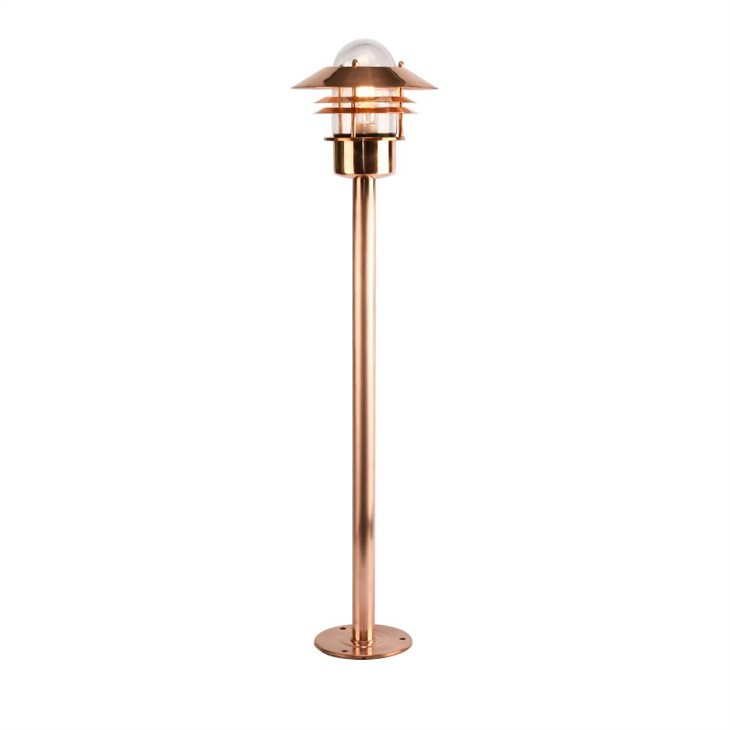
At our company, we offer a wide range of garden landscape lights, including both LED and halogen options. Our Garden Lamp Post Light provides a classic and elegant way to illuminate your garden pathways. Whether you choose the energy - efficient LED version or the warm - glowing halogen option, these lamp posts will enhance the beauty of your outdoor space.
For areas that need protection from the elements, our Waterproof Landscape Light is a great choice. Available in both LED and halogen technologies, these lights are designed to withstand rain, snow, and other harsh weather conditions.
If you have a swimming pool in your garden, our Swimming Pool Waterproof Light can create a stunning visual effect. The LED version offers energy - efficient and long - lasting illumination, while the halogen option provides a warm and inviting glow.
Conclusion
In conclusion, the choice between LED and halogen garden landscape lights depends on your specific needs and preferences. If energy efficiency, long lifespan, and low heat emission are important to you, LED lights are the way to go. On the other hand, if you're on a tight budget and prefer the traditional warm glow of halogen lights, they can still be a viable option.
As a trusted supplier of garden landscape lights, we are here to help you make the right choice for your outdoor lighting project. Whether you're a homeowner looking to enhance your garden or a professional landscaper in need of high - quality lighting solutions, we can provide you with the products and expertise you need.

If you're interested in learning more about our products or would like to discuss your lighting requirements, please don't hesitate to contact us. We look forward to working with you to create a beautiful and well - lit garden landscape.
References
- "Lighting Basics: LED vs. Halogen." Energy.gov.
- "The Science of Light: Understanding Color Temperature and CRI." Lighting Research Center.
- "LED Lighting: A Guide to Energy Efficiency and Cost Savings." U.S. Department of Energy.