

What is the impact of salt air on LED garden wall lights?
Jul 25, 2025
As a leading supplier of LED garden wall lights, I've witnessed firsthand the transformative power these fixtures bring to outdoor spaces. From enhancing security to creating a warm and inviting ambiance, LED garden wall lights are a staple in modern landscaping. However, one factor that often goes overlooked is the impact of salt air on these lights. In this blog post, I'll delve into the science behind salt air's effects on LED garden wall lights and offer insights on how to mitigate potential issues.
Understanding Salt Air
Salt air, also known as marine air, is a combination of air and tiny salt particles that are carried by the wind from the ocean. These salt particles are created when waves break and spray into the air, and they can travel for miles inland. The concentration of salt in the air varies depending on the distance from the ocean, the strength of the wind, and the weather conditions.
In coastal areas, salt air can have a significant impact on the environment and the objects exposed to it. The salt particles can corrode metals, damage paint and coatings, and cause electrical components to malfunction. This is because salt is a highly conductive substance that can attract moisture and accelerate the oxidation process.
Effects of Salt Air on LED Garden Wall Lights
LED garden wall lights are designed to withstand a variety of environmental conditions, including rain, snow, and extreme temperatures. However, salt air can pose a unique challenge to these lights due to its corrosive nature. Here are some of the ways salt air can affect LED garden wall lights:
Corrosion
One of the most common effects of salt air on LED garden wall lights is corrosion. The salt particles in the air can react with the metal components of the lights, such as the housing, mounting brackets, and electrical connections. Over time, this can cause the metal to rust and weaken, leading to structural damage and potential safety hazards.
Electrical Malfunctions
Salt air can also cause electrical malfunctions in LED garden wall lights. The salt particles can accumulate on the electrical contacts and wiring, creating a conductive path that can short-circuit the lights or cause them to flicker. In addition, the moisture attracted by the salt can cause the electrical components to corrode, leading to further damage and potential failure.
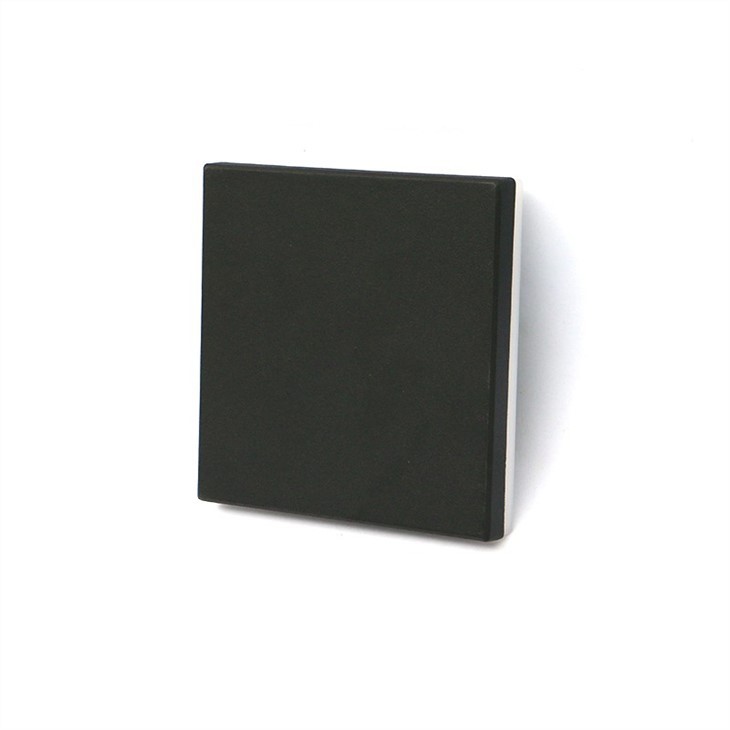

Reduced Lifespan
The combination of corrosion and electrical malfunctions can significantly reduce the lifespan of LED garden wall lights. Lights that are exposed to salt air for extended periods of time may need to be replaced more frequently, which can be costly and inconvenient for homeowners and businesses.
Mitigating the Effects of Salt Air
While salt air can pose a challenge to LED garden wall lights, there are several steps you can take to mitigate its effects and extend the lifespan of your lights. Here are some tips:
Choose the Right Lights
When selecting LED garden wall lights for a coastal area, it's important to choose lights that are specifically designed to withstand salt air. Look for lights that are made from corrosion-resistant materials, such as stainless steel or aluminum, and that have a high IP (Ingress Protection) rating. The IP rating indicates the level of protection the light has against dust and water, with higher ratings providing better protection.
Install the Lights Properly
Proper installation is key to ensuring the longevity of LED garden wall lights in a salt air environment. Make sure the lights are mounted securely and that all electrical connections are properly sealed to prevent moisture and salt from entering. In addition, consider installing the lights in a location that is sheltered from the wind and direct exposure to salt spray.
Maintain the Lights Regularly
Regular maintenance is essential for keeping LED garden wall lights in good condition in a salt air environment. Clean the lights regularly with a mild soap and water solution to remove any salt or dirt buildup. In addition, inspect the lights periodically for signs of corrosion or damage, and replace any damaged components as soon as possible.
Use Protective Coatings
Applying a protective coating to the metal components of LED garden wall lights can help to prevent corrosion and extend their lifespan. There are several types of protective coatings available, including paint, powder coating, and galvanizing. Choose a coating that is specifically designed for outdoor use and that provides good protection against salt air.
Conclusion
Salt air can have a significant impact on LED garden wall lights, but with the right precautions, you can minimize its effects and enjoy beautiful, functional lights for years to come. As a supplier of Black Outdoor Lights Wall Mounted and Landscape Wall Lights (Landscape Wall Lights Factory), I'm committed to providing high-quality products that are designed to withstand the toughest environmental conditions. If you're looking for LED garden wall lights for your coastal property, I encourage you to contact me to discuss your options and learn more about how I can help you create the perfect outdoor lighting solution.
References
- "The Effects of Salt Air on Outdoor Lighting." Lighting Design Lab.
- "How to Protect Outdoor Lighting from Salt Air." HomeAdvisor.
- "LED Lighting in Coastal Environments." LEDinside.