

How to position galvanized light fixtures for optimal lighting?
Jun 18, 2025
When it comes to lighting up a space, whether it's a cozy indoor area or a vast outdoor expanse, the positioning of light fixtures plays a pivotal role in achieving optimal lighting. As a trusted supplier of galvanized light fixtures, I've witnessed firsthand how the right placement can transform a space, enhancing its functionality and aesthetic appeal. In this blog post, I'll share some valuable insights on how to position galvanized light fixtures for the best lighting results.
Understanding Galvanized Light Fixtures
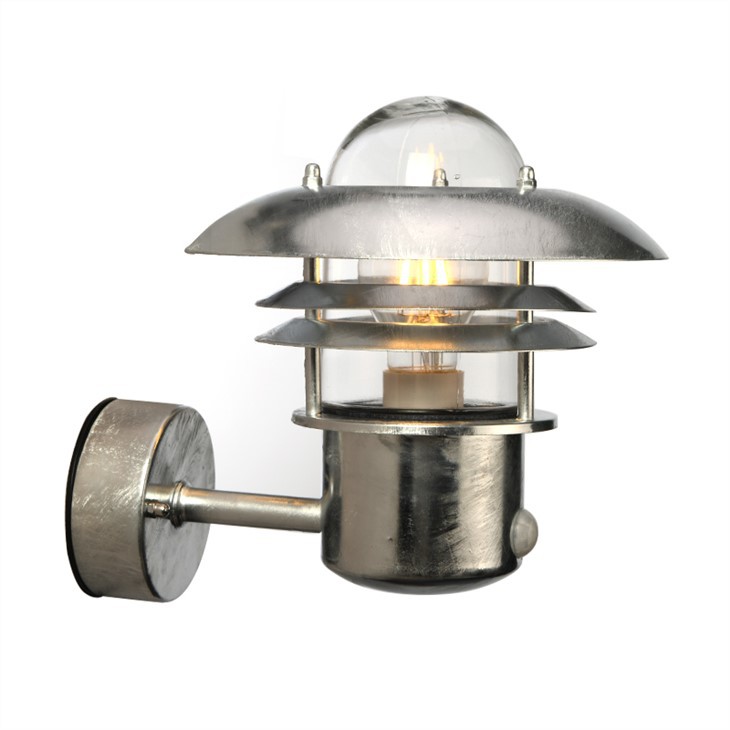
Before delving into the positioning techniques, let's briefly understand what galvanized light fixtures are. Galvanization is a process of coating steel or iron with a layer of zinc to prevent rusting. Galvanized light fixtures are known for their durability, corrosion resistance, and rugged appearance, making them an excellent choice for both indoor and outdoor applications. They come in various styles, including Galvanized Outdoor Barn Light Wall Mount Sconce, Galvanized Outdoor Barn Light, and Galvanized Wall Light, each designed to serve different lighting needs.
Factors to Consider Before Positioning
Several factors need to be considered before positioning galvanized light fixtures. These factors will help you determine the most suitable locations for your fixtures and ensure that they provide the desired lighting effect.
Purpose of the Space
The first step is to understand the purpose of the space you're lighting. Is it a workspace that requires bright, focused light? Or is it a relaxation area that calls for soft, ambient lighting? For example, in a garage or workshop, you'll need fixtures that can provide ample task lighting to illuminate work surfaces. On the other hand, in a patio or garden, you might want to create a warm, inviting atmosphere with indirect or diffused lighting.
Room Size and Layout
The size and layout of the room also play a crucial role in fixture positioning. In a small room, overcrowding with too many light fixtures can make the space feel cluttered. Instead, opt for a few well-placed fixtures that can provide balanced lighting. In a large room, you may need multiple fixtures to ensure even illumination. Consider the room's shape and any architectural features, such as columns or alcoves, as these can affect the distribution of light.

Ceiling Height
Ceiling height is another important factor. In rooms with high ceilings, pendant lights or chandeliers can be used to draw the eye upward and add a sense of grandeur. However, they should be hung at an appropriate height to avoid creating glare or shadows. In rooms with low ceilings, wall sconces or flush-mounted fixtures are better options as they won't protrude too much and make the space feel cramped.
Natural Light
Take into account the amount of natural light the space receives. If a room has large windows that let in a lot of sunlight during the day, you may not need as much artificial lighting. You can use light fixtures to supplement the natural light and create a cozy atmosphere in the evenings. Conversely, in a room with limited natural light, you'll need to rely more on artificial lighting to brighten up the space.
Positioning Techniques for Different Types of Galvanized Light Fixtures
Galvanized Outdoor Barn Light Wall Mount Sconce
These fixtures are ideal for illuminating the exterior of buildings, such as barns, garages, or homes. When positioning wall-mounted sconces, place them at eye level, typically around 66 to 72 inches from the ground. This height ensures that the light is directed downward, providing sufficient illumination without causing glare. Mount the sconces evenly spaced along the wall to create a balanced look. For a more dramatic effect, you can install them on either side of a doorway or entrance to highlight the architectural features.
Galvanized Outdoor Barn Light
Galvanized outdoor barn lights are often used to light up large outdoor areas, such as parking lots, yards, or agricultural fields. When installing these lights, consider the height and spread of the light. Mount the fixtures at a height of 10 to 15 feet to provide a wide coverage area. Space them apart based on the fixture's beam angle and the desired level of illumination. For example, if you want to achieve uniform lighting across a large area, you may need to install the lights closer together.
Galvanized Wall Light
Galvanized wall lights can be used both indoors and outdoors to add a touch of rustic charm. Indoors, they can be used to create accent lighting or to illuminate hallways, staircases, or living areas. When positioning wall lights indoors, place them at a height of 5 to 6 feet from the floor. This height ensures that the light is directed upward and downward, creating a soft, diffused glow. Outdoors, wall lights can be used to enhance the exterior of a building or to light up pathways. Mount them at a similar height as indoor wall lights for optimal lighting.
Creating a Lighting Plan
Once you've considered all the factors and determined the positioning for your galvanized light fixtures, it's a good idea to create a lighting plan. A lighting plan is a detailed diagram that shows the location of each light fixture in the space. It helps you visualize how the lights will work together to create the desired lighting effect. You can use graph paper or a digital design tool to create your lighting plan. Mark the positions of the fixtures on the plan, along with any switches or dimmer controls. This will make it easier for you to install the fixtures and ensure that they are wired correctly.
Testing and Adjusting
After installing the galvanized light fixtures, it's important to test the lighting and make any necessary adjustments. Turn on all the lights and walk around the space to see how the light is distributed. Look for any areas that are too bright or too dark, and make adjustments to the fixture's position or angle as needed. You may also want to adjust the brightness of the lights using dimmer switches to create different lighting moods.
Conclusion
Positioning galvanized light fixtures for optimal lighting requires careful consideration of several factors, including the purpose of the space, room size and layout, ceiling height, and natural light. By following the positioning techniques outlined in this blog post and creating a lighting plan, you can ensure that your fixtures provide the desired lighting effect and enhance the functionality and aesthetic appeal of your space.
If you're interested in purchasing high-quality galvanized light fixtures for your project, I invite you to contact me for more information. Our team of experts can help you choose the right fixtures for your needs and provide guidance on installation and positioning. Let's work together to create the perfect lighting solution for your space.
References
- Lighting Handbook: Reference and Application, 10th Edition, Illuminating Engineering Society
- Residential Lighting, 3rd Edition, David L. DiLaura