

How to set up the projection effect of a landscape projector light?
Jun 24, 2025
As a seasoned supplier of Landscape Projector Lights, I've witnessed firsthand the transformative power these lights bring to outdoor spaces. Whether it's a garden, a commercial plaza, or a private backyard, the right projection effect can turn an ordinary area into a magical and inviting environment. In this blog, I'll share some valuable insights on how to set up the projection effect of a landscape projector light to achieve the best results.
Understanding Your Landscape Projector Light
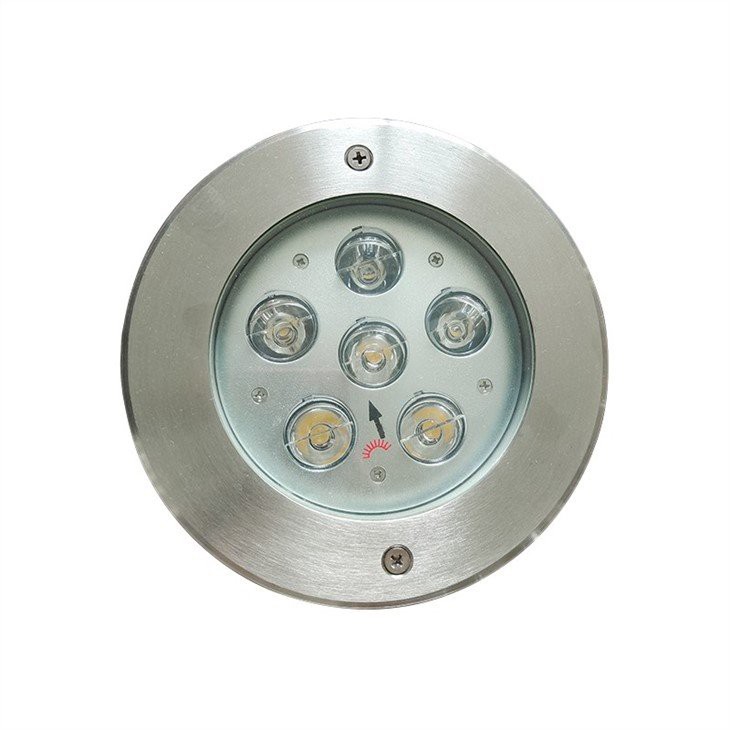
Before you start setting up your landscape projector light, it's crucial to understand its features and capabilities. Landscape projector lights come in various types, including LED Garden Spot Lights, Waterproof Landscape Light, and Garden Lamp Post Light. Each type has its own unique characteristics and is designed for specific applications.
Types of Landscape Projector Lights
- LED Garden Spot Lights: These lights are ideal for highlighting specific features in your garden, such as plants, sculptures, or architectural elements. They are typically small and can be easily installed in the ground or mounted on a wall.
- Waterproof Landscape Light: As the name suggests, these lights are designed to withstand harsh weather conditions and are suitable for outdoor use. They can be used to illuminate pathways, driveways, or water features.
- Garden Lamp Post Light: These lights are tall and provide a more general illumination for your garden. They can be used to create a warm and inviting atmosphere and are often placed along walkways or at the entrance of your property.
Features to Consider
- Light Output: The light output of a landscape projector light is measured in lumens. The higher the lumens, the brighter the light. Consider the size of the area you want to illuminate and the level of brightness you need when choosing a light.
- Color Temperature: The color temperature of a light affects the mood and ambiance of your outdoor space. Warm white lights (2700K - 3000K) create a cozy and inviting atmosphere, while cool white lights (4000K - 5000K) are more suitable for task lighting.
- Projection Pattern: Some landscape projector lights come with interchangeable projection patterns, allowing you to create different effects. Choose a pattern that complements the style of your outdoor space and the theme you want to achieve.
Planning Your Projection Effect
Once you have a clear understanding of your landscape projector light, it's time to plan your projection effect. Here are some steps to help you get started:
Define Your Goals
- Highlight Specific Features: Decide which features in your outdoor space you want to highlight, such as trees, flowers, or architectural elements. This will help you determine the placement and angle of your lights.
- Create a Mood or Ambiance: Consider the mood or ambiance you want to create in your outdoor space. Do you want a romantic, relaxing atmosphere or a more vibrant and energetic one? The color temperature and projection pattern of your lights can help you achieve the desired effect.
- Enhance Safety and Security: Landscape projector lights can also be used to enhance safety and security in your outdoor space. Illuminate pathways, stairs, and entrances to prevent accidents and deter intruders.
Choose the Right Location
- Height and Angle: The height and angle of your landscape projector light will affect the projection effect. For example, if you want to create a spotlight effect on a tree, place the light at the base of the tree and angle it upwards. If you want to illuminate a large area, place the light at a higher elevation and angle it downwards.
- Avoid Obstructions: Make sure there are no obstructions between your light and the area you want to illuminate. Trees, bushes, or buildings can block the light and create shadows.
- Consider the Surroundings: Take into account the surroundings of your outdoor space when choosing the location of your lights. The light should complement the existing architecture and landscaping and not overpower them.
Determine the Number of Lights
- Size of the Area: The size of the area you want to illuminate will determine the number of lights you need. As a general rule, you should have one light for every 10 to 15 square feet of area.
- Spacing: The spacing between your lights will also affect the projection effect. Make sure the lights are evenly spaced to create a balanced and consistent illumination.
Installing Your Landscape Projector Light
Once you have planned your projection effect, it's time to install your landscape projector light. Here are some steps to help you with the installation process:
Read the Manufacturer's Instructions
- Follow the Guidelines: Before you start installing your landscape projector light, carefully read the manufacturer's instructions. Follow the guidelines and safety precautions to ensure a proper installation.
- Gather the Necessary Tools: Make sure you have all the necessary tools and materials for the installation, such as a drill, screws, and a ladder.
Prepare the Installation Site
- Clear the Area: Remove any debris, rocks, or plants from the installation site. Make sure the area is clean and level.
- Mark the Location: Use a pencil or chalk to mark the location where you want to install your light. This will help you ensure accurate placement.
Install the Light
- Mount the Light: If your landscape projector light is designed to be mounted on a wall or post, use the appropriate hardware to secure it in place. Make sure the light is level and firmly attached.
- Connect the Wiring: Follow the manufacturer's instructions to connect the wiring of your light. If you are not familiar with electrical work, it's recommended to hire a professional electrician to do the job.
Test the Light
- Turn on the Power: Once the light is installed and the wiring is connected, turn on the power to test the light. Make sure the light is working properly and the projection effect is as expected.
- Adjust the Angle and Focus: If necessary, adjust the angle and focus of your light to achieve the desired projection effect. Use a ladder or a step stool to reach the light and make the adjustments.
Maintaining Your Landscape Projector Light
To ensure the longevity and performance of your landscape projector light, it's important to maintain it regularly. Here are some tips to help you keep your lights in good condition:
Clean the Lights Regularly
- Remove Dirt and Debris: Use a soft cloth or a brush to remove dirt, dust, and debris from the surface of your lights. This will help maintain the brightness and clarity of the projection effect.
- Check for Damage: Inspect your lights regularly for any signs of damage, such as cracks, chips, or loose connections. Replace any damaged parts immediately to prevent further damage.
Replace the Bulbs as Needed
- Monitor the Lifespan: The lifespan of a landscape projector light bulb varies depending on the type and quality of the bulb. Monitor the lifespan of your bulbs and replace them as needed to maintain the brightness and performance of your lights.
- Use the Right Bulbs: Make sure you use the right bulbs for your landscape projector light. Using the wrong bulbs can affect the performance and lifespan of the light.
Protect the Lights from the Elements
- Cover the Lights: If you live in an area with harsh weather conditions, consider covering your landscape projector lights with a protective cover. This will help prevent damage from rain, snow, and extreme temperatures.
- Store the Lights Properly: If you need to store your landscape projector lights during the off-season, make sure you store them in a dry and cool place. Wrap the lights in a protective material to prevent scratches and damage.
Contact Us for Your Landscape Projector Light Needs
If you're interested in purchasing landscape projector lights or have any questions about setting up the projection effect, please don't hesitate to contact us. As a leading supplier of LED Garden Spot Lights, Waterproof Landscape Light, and Garden Lamp Post Light, we offer a wide range of high-quality products at competitive prices. Our team of experts is available to provide you with professional advice and support to help you achieve the best projection effect for your outdoor space.

References
- Landscape Lighting Handbook: Design, Installation, and Maintenance by Michael M. Smith
- Outdoor Lighting: The Complete Guide to Lighting Your Garden, Patio, and Landscape by Leslie Halleck
- LED Lighting for Landscape Design by Mark S. Rea