

What is the power consumption of garden landscape lights?
Jun 20, 2025
Hey there! As a supplier of garden landscape lights, I often get asked about the power consumption of these nifty little lighting fixtures. It's a crucial question, especially for those who are conscious about energy usage and want to keep their electricity bills in check while still enjoying a beautifully lit garden. So, let's dive right in and explore what affects the power consumption of garden landscape lights.
First off, it's important to understand that the power consumption of garden landscape lights can vary widely depending on several factors. One of the most significant factors is the type of light source. The most common types of light sources used in garden landscape lights are incandescent, halogen, fluorescent, and LED.
Incandescent lights are the traditional bulbs that have been around for ages. They work by heating a filament until it glows, producing light. However, they're not very energy - efficient. In fact, a large portion of the energy they consume is wasted as heat. A typical incandescent garden light might consume anywhere from 25 to 100 watts. That's a fair amount of power, especially if you have multiple lights in your garden.
Halogen lights are an improvement over incandescent lights. They're a type of incandescent light, but they use a halogen gas to increase the efficiency and lifespan of the filament. Halogen garden lights usually consume between 10 and 50 watts. They produce a bright, white light, but they still use more energy compared to some other options.
Fluorescent lights are known for their energy - efficiency. They work by passing an electric current through a gas, which then emits ultraviolet light that is converted into visible light by a phosphor coating on the inside of the tube. Fluorescent garden lights can consume as little as 5 to 20 watts, making them a much more energy - friendly choice.
Now, let's talk about the star of the show: LED lights. LED stands for Light - Emitting Diode. These lights are incredibly energy - efficient. They work by passing an electric current through a semiconductor, which emits light. LED garden lights can consume as little as 1 to 10 watts. That's a huge difference compared to incandescent and halogen lights. For example, an LED Garden Spot Lights can provide a bright, focused beam of light while using just a fraction of the energy of an incandescent or halogen spot light.
Another factor that affects power consumption is the brightness of the light. The brighter the light, the more power it typically consumes. If you're looking to save energy, you might want to choose lights with a lower lumen output. Lumens measure the amount of light emitted by a source. A lower lumen light will still provide enough illumination for your garden, but it won't use as much power.

The duration of use also plays a role in power consumption. If you leave your garden lights on all night, they'll obviously use more energy compared to if you only turn them on for a few hours. Some garden lights come with built - in timers or sensors that can automatically turn the lights on and off based on the time of day or the amount of ambient light. This can help you save a significant amount of energy over time.
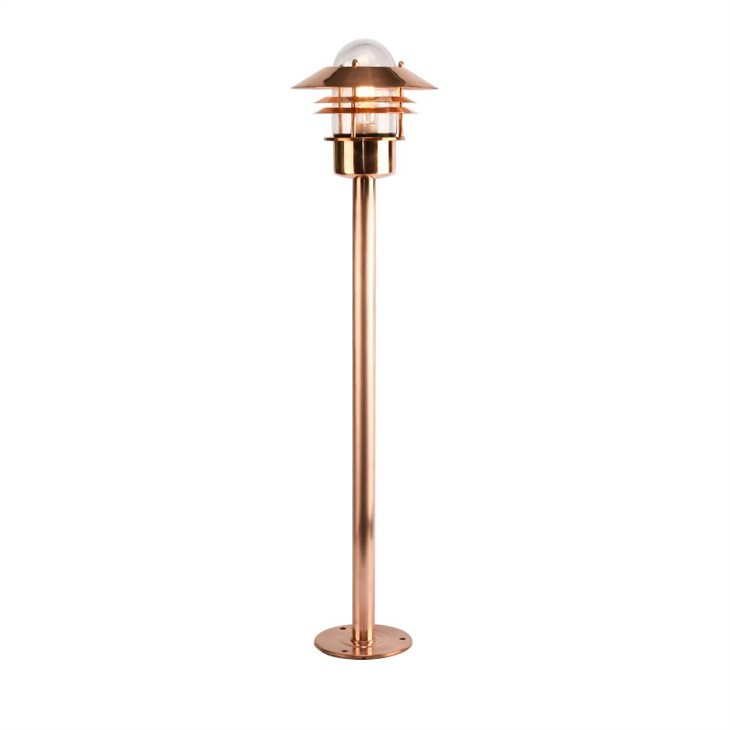
The quality of the light fixture itself can also impact power consumption. A well - designed light fixture will direct the light where it's needed, reducing the need for excessive brightness. For example, a Garden Lamp Post Light with a proper reflector can focus the light downward, illuminating the path or area around it without wasting light in unnecessary directions.
If you're in an area where it rains a lot or the lights are exposed to water, you might consider Waterproof Landscape Light. These lights are designed to withstand the elements, but you still want to pay attention to their power consumption. LED waterproof landscape lights are a great option as they're both energy - efficient and durable.
So, why should you care about the power consumption of garden landscape lights? Well, besides saving money on your electricity bill, using energy - efficient lights is also better for the environment. By reducing your energy consumption, you're lowering your carbon footprint and contributing to a more sustainable future.
As a supplier of garden landscape lights, I've seen firsthand the benefits of using energy - efficient LED lights. Not only do they save my customers money, but they also provide a high - quality lighting solution that lasts for a long time. LED lights have a much longer lifespan compared to incandescent and halogen lights, which means you won't have to replace them as often.
If you're in the market for garden landscape lights, I highly recommend considering LED lights. They offer a great balance between energy efficiency, brightness, and durability. And if you have any questions about power consumption or which lights are best for your garden, I'm here to help. Whether you need a single spotlight for a special plant or a whole set of lights to illuminate your entire garden, we've got you covered.
So, if you're interested in purchasing garden landscape lights and want to discuss your specific needs, feel free to reach out. We can have a chat about the power consumption of different options and find the perfect lighting solution for your garden. Let's work together to create a beautiful, energy - efficient outdoor space that you'll love.
References
- General knowledge about lighting technologies and energy efficiency
- Industry standards and research on garden lighting power consumption